
By Remi Terhorst
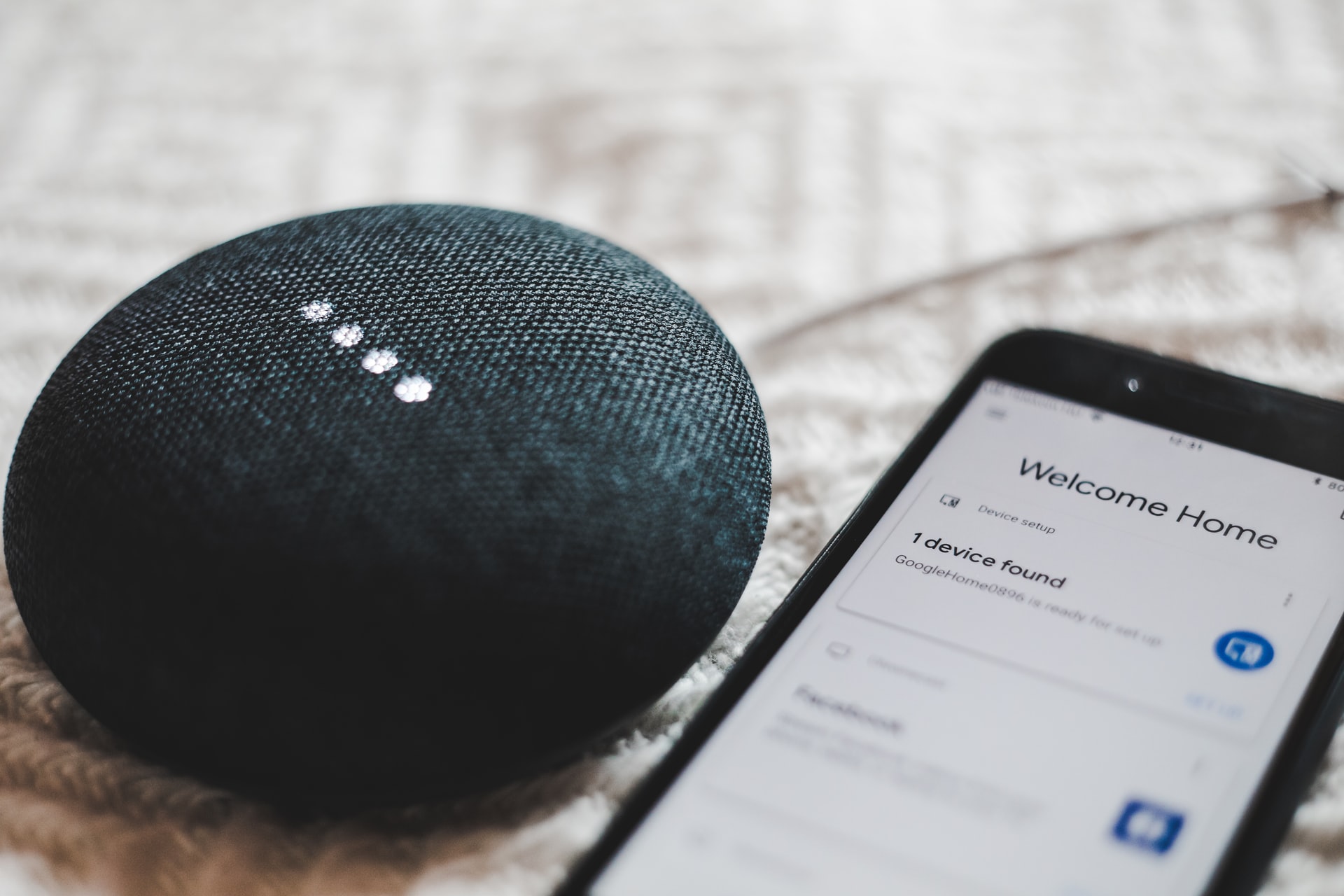
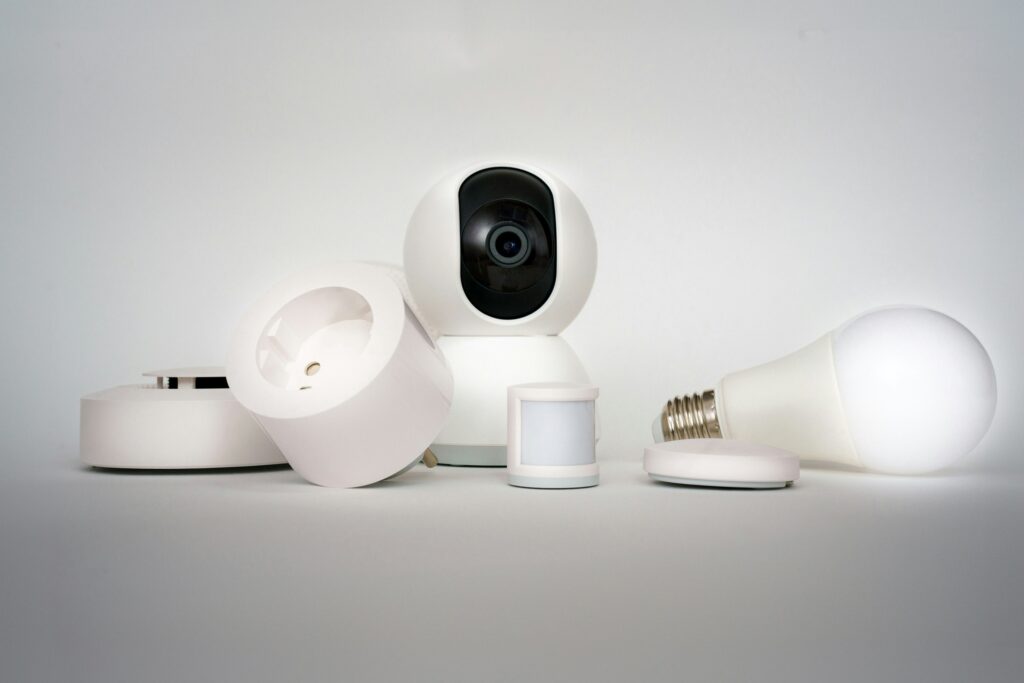
Smart Home Products are tied more and more to our daily lives. Users of these products, like a smart door bell or movement sensor, often see them as a black box: What data do they use and why? When is my Google Home actively listening? It can be scary when every movement in your home gets tracked by a device. We talk about it with Alexa Becker, Research Fellow at the Hochschule Anhalt in Germany. With the workshop ‘Designing Smart Home Products with Privacy in Mind’, she tries to raise awareness for the way Smart Home Products gather and use data, and inspire designers to think outside the box for privacy-friendly solutions for home issues.
To set the tone for the complexity of the subject, we start by discussing the definition of Smart Home Products. And this is not as easy as it may sound, as there are many definitions. To know what a smart home is, you have to understand the meaning of both ‘smart’ and ‘home’. “I would describe a smart product as a communicative device (sensors for example) that gathers lots of data”, Alexa explains. “The definition of home is more complicated, because it depends on your own concept of home. Is home only the place where you live? And if you’re wearing a Smart Watch, would that be considered a Smart Home Product? You’re not only wearing the watch at home. And how about smart cars? Different sources will give you different meanings.”
Not just for the user
Alexa (and yes, the name is coincidental when it comes to this subject) doesn’t have a smart home herself. “Although I sometimes have to compromise, because I want to test smart technology as well, to understand how it operates. But I’m very aware of the privacy risk that comes with these devices. Big Tech companies make money of our data through those smart home devices, and are not necessarily focussed on the privacy-side of things. If privacy confronts the revenue, privacy is second choice.”
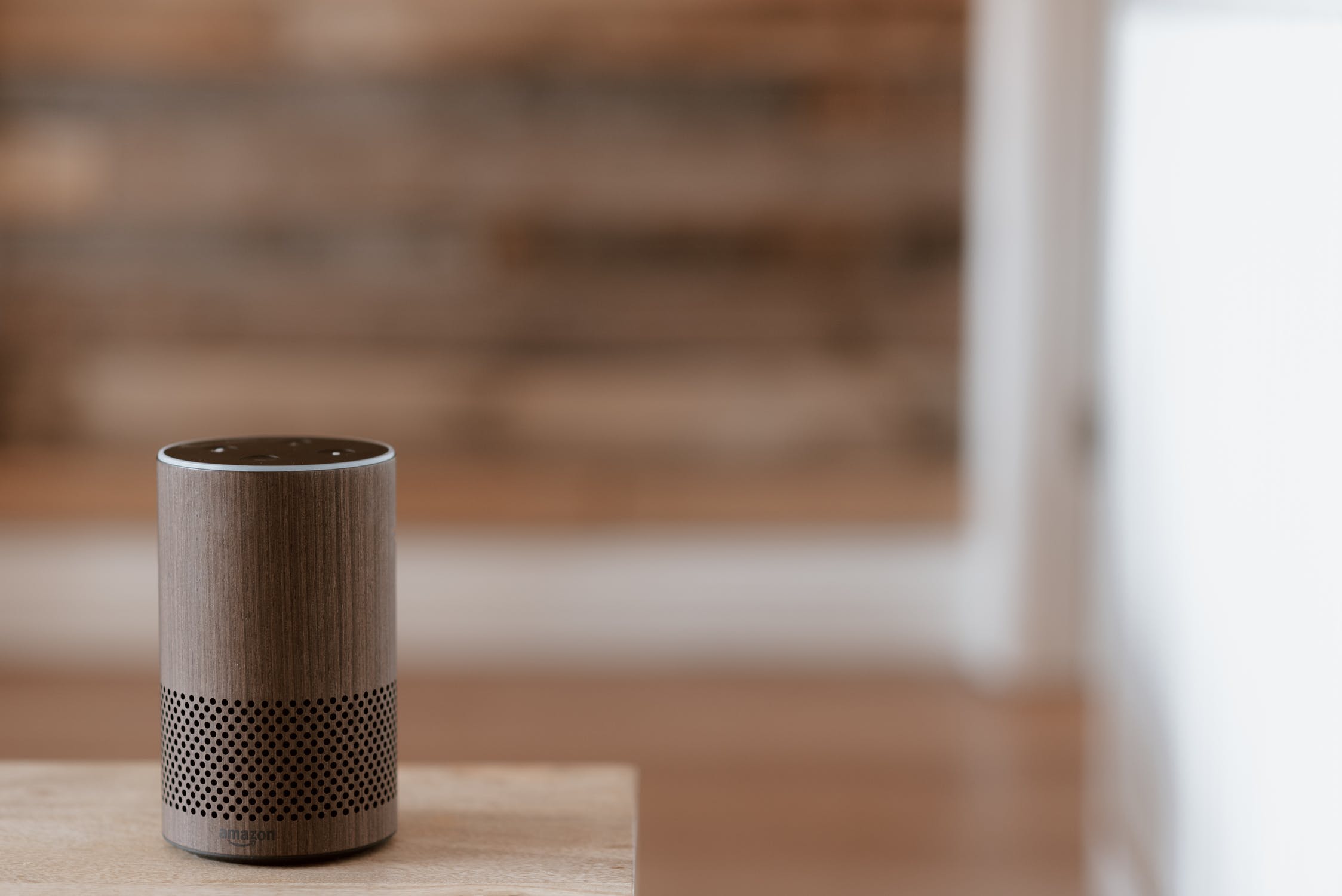
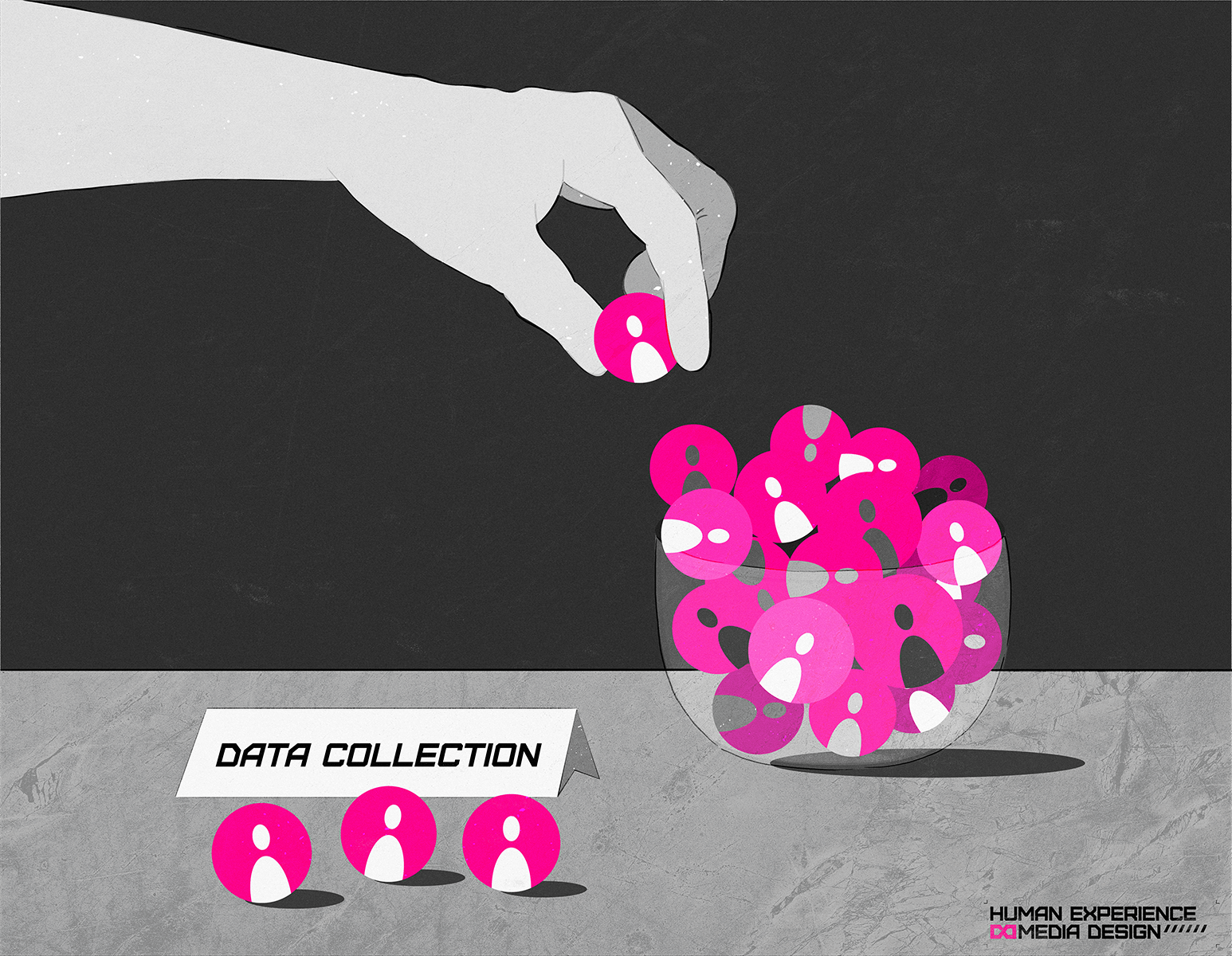
Awareness is key; not only for the user itself, but for all people. The owner of a smart home product is not the only one who’s data gets gathered by it. Look at smart doorbells for example: Everyone that delivers a package at the door gets recorded, even if they don’t make that decision themselves. Or a smart speaker, which actively listens to all voices in the room. This last example is a personal one for Alexa – when someone mentions her name in a room with an Amazon virtual assistant (also called Alexa), the device actively starts listening and reacting.
Thinking outside the box
To help both designers and users in the context of privacy-friendly Smart Home Products, Alexa and her partners conduct research and organize workshops about this topic. For users, the aim is to raise awareness on what data is being gathered from them and which conclusions can be drawn about their lives from it. For designers, the aim is to challenge them to think of innovative ways to design these kinds of products, with privacy in mind.
During the workshop for designers, small groups of people were given a bunch of real life data, based on a specific theme at home (like humidity, or child-monitoring). The designers first studied the data and had to think of innovative, privacy-friendly solutions for home devices. For example: One of the teams had to think about monitoring a child, but when they studied the provided data, they found out that it was about a 7 year old. The designers then focussed on data-minimization and analog options and left out functions and data-gathering that would have only been necessary for babies.
Alexa hopes not only to inspire individual designers this way, but also start-ups who are developing this kind of products. “Most Smart Home Products are not easy to change, especially when designed by Big Tech companies. When we raise awareness by users and they demand privacy friendly technology, the companies (and politics) have to adapt eventually. Some start-ups are already thinking of new privacy-friendly ways to design Smart Home Products, and that’s a start. By beginning with the users, designers and start ups, I hope Big Tech also changes their approach over time.
Sensorkit
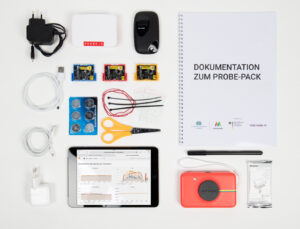
Workshops are not the only way Alexa and her partners are trying to raise awareness. Together with other researchers from the Technische Universität Chemnitz, a Sensorkit was made to give users insight in their data. The tool measures humidity, light, temperature, movement, sound and air quality. The gathered data is then visualized on a tablet for the user. Alexa mostly gets positive reactions from participants, but they usually stick to their original attitude: “If you gather data, it’s there,” Alexa says. “People that are scared by that have the option not to use Smart Home Devices at all. Not at the moment at least. If you choose to do so, it could be very good to know how they operate and if/how your privacy is valued.”
Alexa’s reading tips on smart home devices
If you are interested in this subject, you could read more research/articles about privacy in Smart Homes. Below are a few reading tips from Alexa herself:
Accidentally Evil: On Questionable Values in Smart Home Co-Design
Alexa’s research partners: Medieninformatik TU Chemnitz, Techniksoziologie TU Chemnitz, Verbraucherzentrale Sachsen and KF education